
Am I Going to Lose My Teeth????
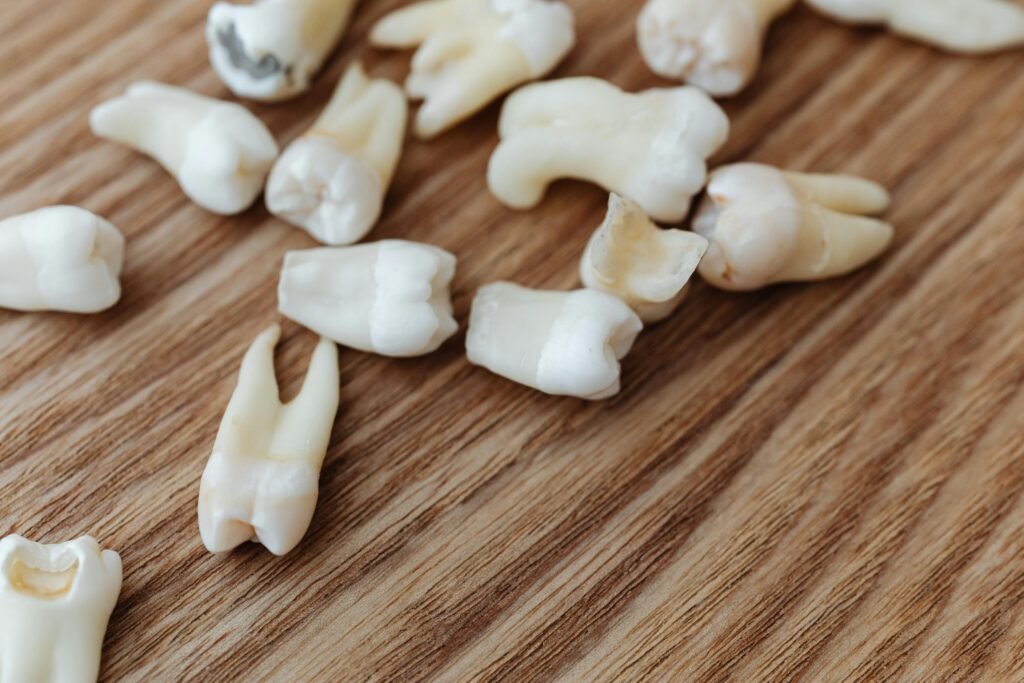
Cavities at every dental visit. You notice your teeth becoming loose. Teeth can crack, fracture or shatter. Just the thought alone is horrifying.
Studies show that dental issues affect a significant portion of bariatric patients, with research indicating around 37% of patients experience increased dental problems post-surgery, including cavities, tooth sensitivity, and erosion. The main culprits are frequent vomiting (especially early on), nutritional deficiencies affecting tooth health, and changes in saliva production. And it’s not limited to just gastric bypass patients – this is across the board. If you have had any weight loss surgery, there is a 4 in 10 chance that you will have significant dental problems.
Is there anything you can do? There sure is !!!
Gastric acid from GERD or frequent vomiting erodes teeth. ALWAYS rinse and (best case scenario) brush your teeth after episodes of vomiting, getting the “foamies” from dumping or GERD. That will help.
Here’s what you need to know about vitamins. THE CALCIUM CITRATE YOU ARE TAKING 2 OR 3 TIMES A DAY ISN’T ENOUGH!!!!!
You also need Vitamin D and Vitamin K2 or your calcium could be doing more harm than good.
Here’s how these three nutrients work as a team for your bones and teeth:
Calcium is the building block—literally the mineral that makes bones and teeth hard. Think of it as the bricks. But calcium is stubborn; it needs help getting where it needs to go.
Vitamin D is the escort service—it helps your gut actually absorb the calcium from food and supplements. Without enough D, you could swallow calcium all day and most would pass right through. It also tells your kidneys to hold onto calcium instead of peeing it out.
Vitamin K2 (specifically K2, not just K) is the traffic director—it makes sure calcium goes to your bones and teeth, NOT your arteries or soft tissues. It activates proteins that bind calcium to bone and prevents calcium from depositing where it shouldn’t (like creating kidney stones or hardening arteries).
For bariatric patients, this trio is critical because:
You’re already absorbing less due to surgical changes
Rapid weight loss increases bone turnover
Many patients develop deficiencies in all three
Without the full team, you risk both weak bones AND calcium building up in the wrong places
That’s why your bariatric vitamin should have all three, and why taking calcium alone isn’t enough. They’re like a three-legged stool—remove one, and the whole system wobbles.
For more information on Vitamins for bariatric patients, you can purchase my book Power Up! Mastering Bariatric Supplementation on Amazon.
